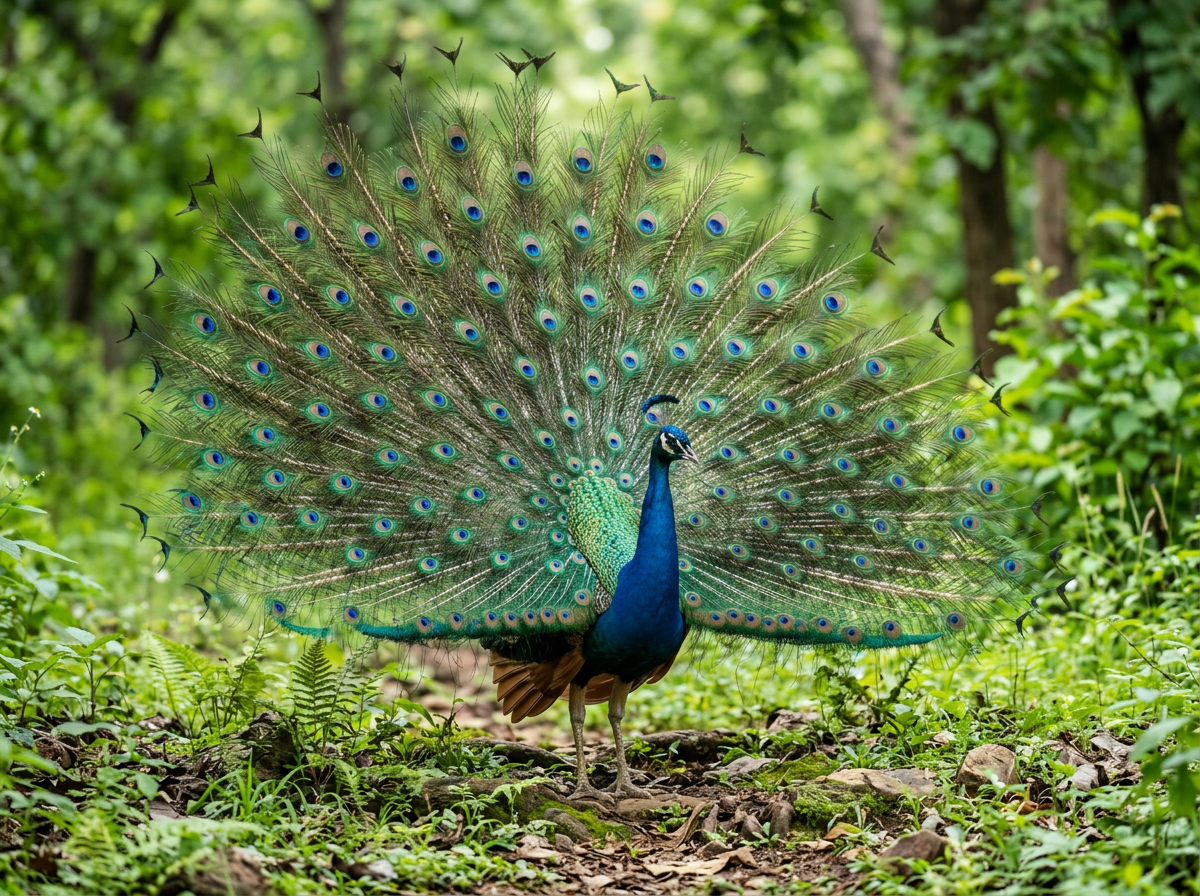
Here's the short answer: a peacock cannot lay eggs because a peacock is male. Only the female, called a peahen, lays eggs. If you're not seeing any eggs, the first thing to check is whether you actually have a peahen in the mix. Once you've confirmed that, there are several very fixable reasons eggs might not be appearing: wrong age, wrong season, poor nutrition, lighting issues, stress, or a health problem. This guide walks you through all of it, step by step.
The Peacock Is a Bird That Doesn’t Lay Eggs: Fix No-Eggs

Sarah Chen
22 Mar 2026
First, confirm what you're actually working with
Here's the short answer: a peacock cannot lay eggs because a peacock is a bird or mammal is male. Only the female, called a peahen, lays eggs. If you're not seeing any eggs, the first thing to check is whether you actually have a peahen in the mix. Once you've confirmed that, there are several very fixable reasons eggs might not be appearing: wrong age, wrong season, poor nutrition, lighting issues, stress, or a health problem. This guide walks you through all of it, step by step.
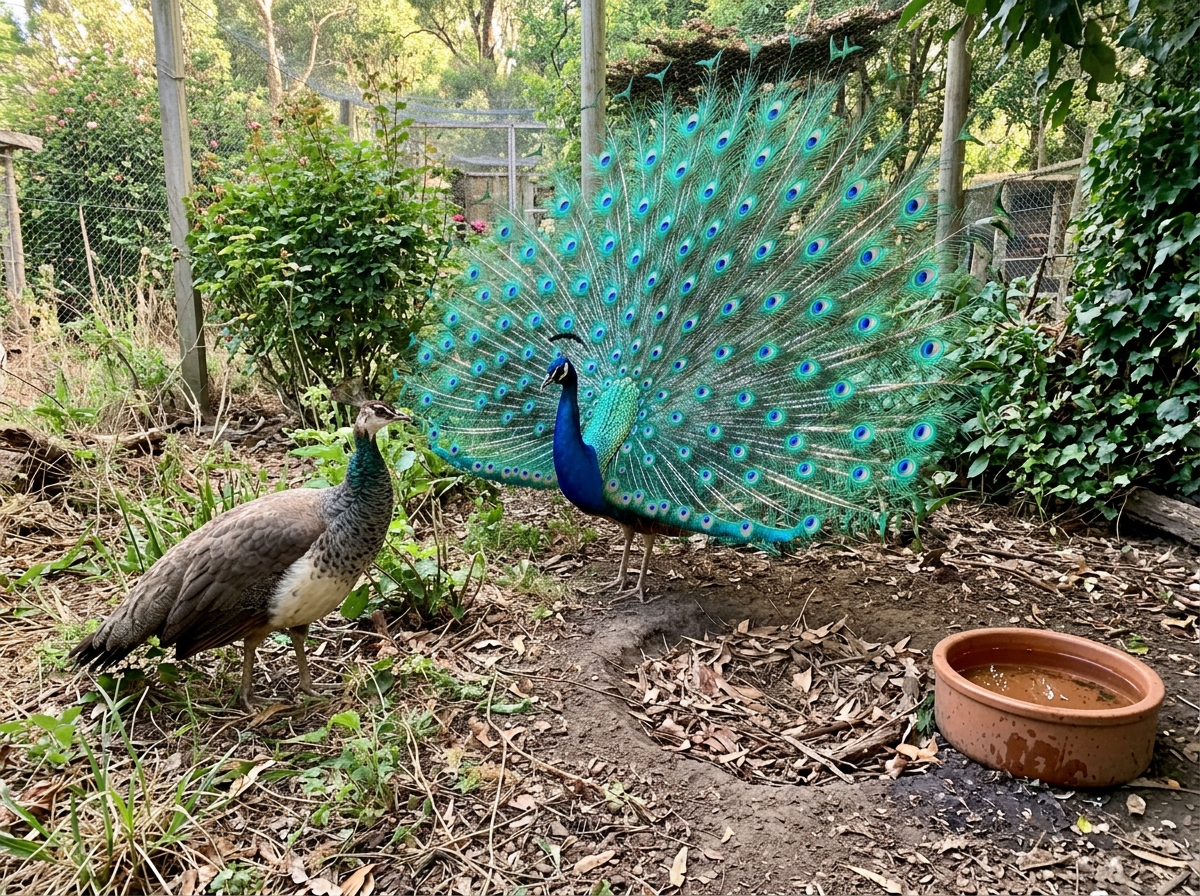
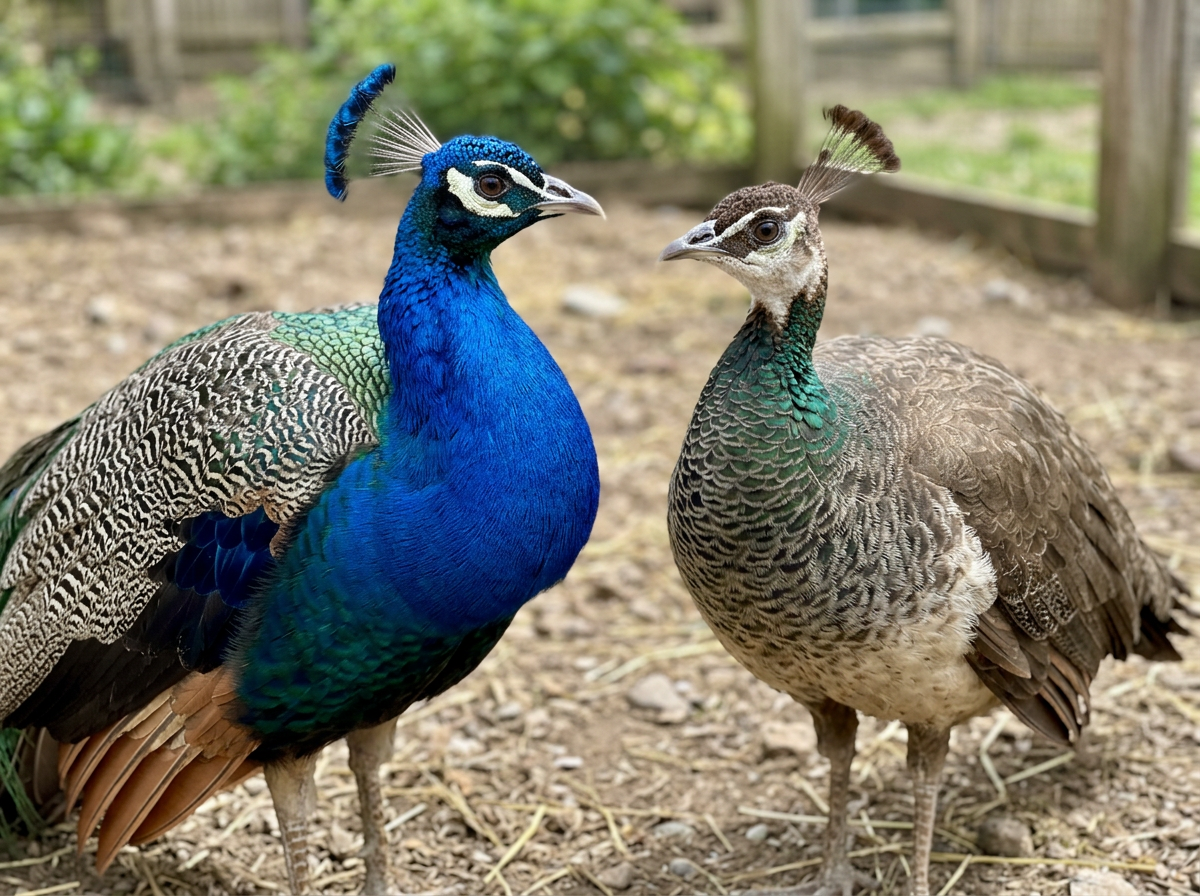
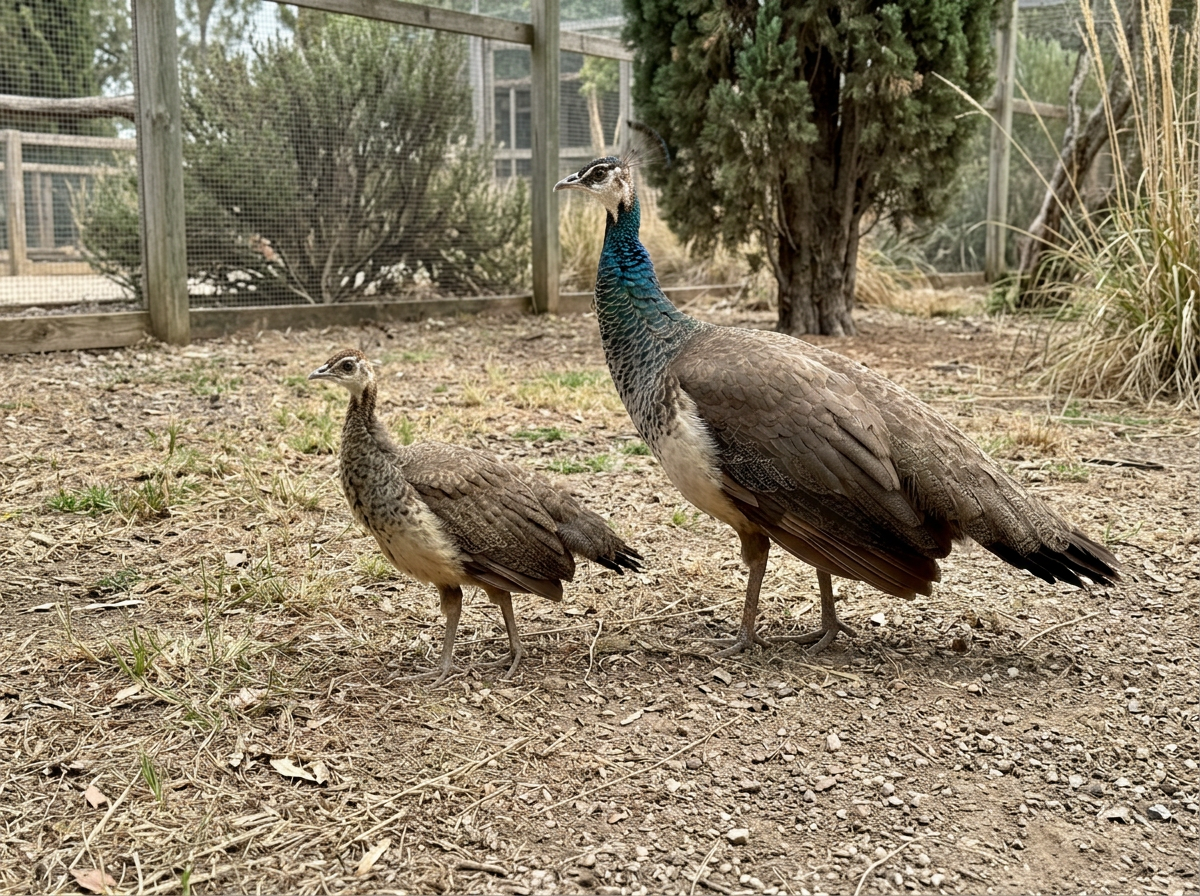
Sexing peafowl takes a bit of patience. Before about 3 months of age, it's genuinely difficult to tell the sexes apart, and even experienced keepers get it wrong with young birds. As they grow, the differences become obvious. Adult males develop that unmistakable long, iridescent train (the tail feathers people think of as the "tail"), along with a more vibrant blue-green neck and chest. Peahens are smaller, brownish-grey with a white belly, and have a noticeably shorter, plain tail. If your bird has a dramatic train or is developing one, it's a male and it will never lay an egg.
It's also worth confirming you're dealing with Indian peafowl specifically, since most backyard keepers work with this species. Green peafowl (Pavo muticus) and Congo peafowl (Afropavo congensis) are also birds, but they have different care requirements, temperaments, and breeding behaviors. If you're unsure of your species, a quick look at coloring and crest shape will help narrow it down, or ask a poultry vet. The advice in this article applies primarily to Indian peafowl.
Why your peahen might not be laying eggs
Assuming you do have a peahen, there are several reasons she might not be producing eggs. None of them require panic right away. Work through these in order before assuming the worst.
She might not be old enough yet
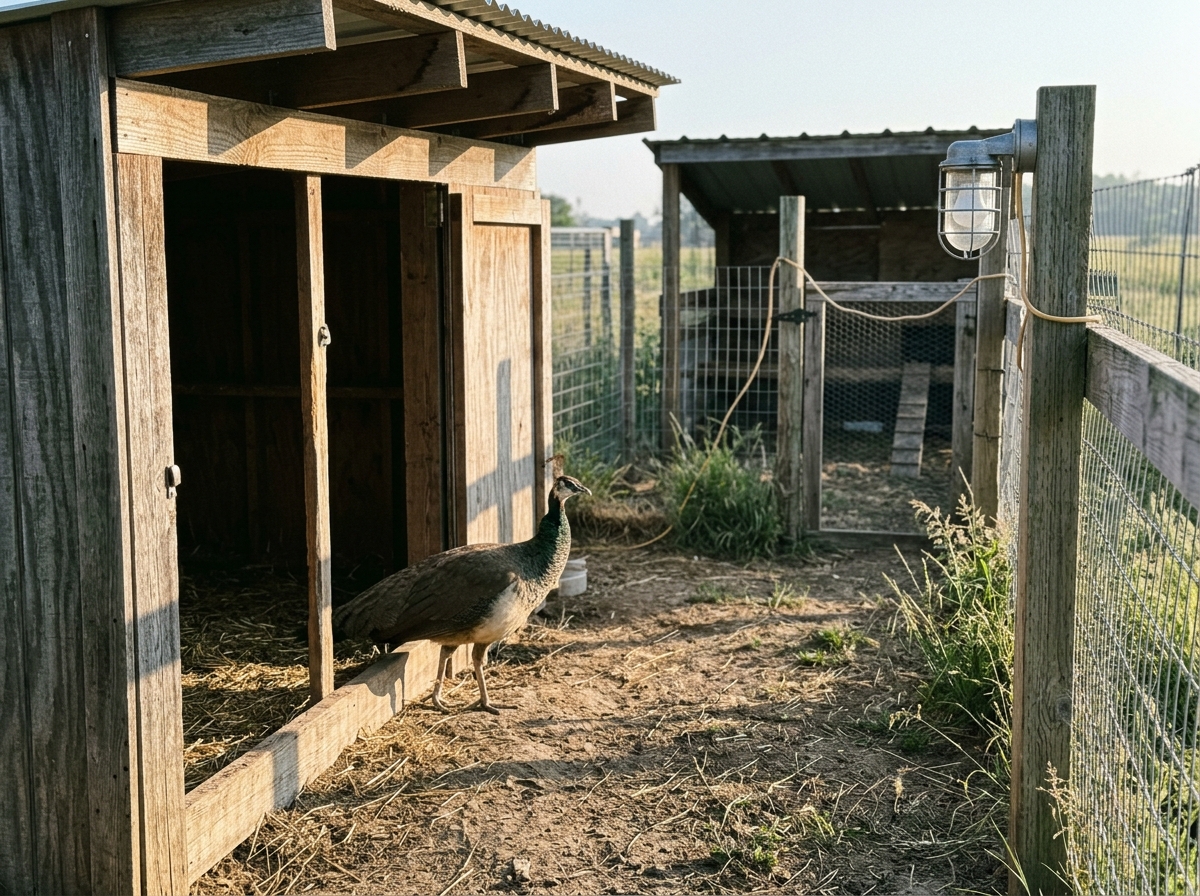
Peahens typically reach sexual maturity at around 2 years of age. Some sources put the broader window at 2 to 3 years for Indian peafowl, with females often maturing slightly earlier than males. If your hen is under 2 years old, she may simply not be ready yet. Young hens, even when they do start laying, often produce fewer clutches and fewer eggs per clutch than older, more established birds. If she's in that first or second year, your best move is patience combined with good nutrition and housing.
The season might be wrong
Peafowl are strongly seasonal breeders. In temperate climates, peahens typically begin laying in April and continue through the summer months, with May through August being the core breeding period under captive conditions. If you're reading this outside that window (say, in late fall or winter), your hen is almost certainly in her off-season rest period. That's completely normal and not a problem. Mark your calendar and reassess in early spring.
No breeding behavior or wrong pair setup
Even with a hen and a peacock housed together, breeding isn't guaranteed. Peahens can be selective, and if the male is too young, too old, or just not performing strong display behavior, mating may not be happening. The peacock's courtship involves spreading and vibrating that train to attract hens. Interestingly, a peahen may look disinterested while foraging even when she's receptive, so don't rely only on her reactions as a gauge. Watch for actual mating attempts and whether the peacock is actively displaying. If you're running a single peacock with multiple hens, make sure he's mature and in good condition.
Light exposure is off
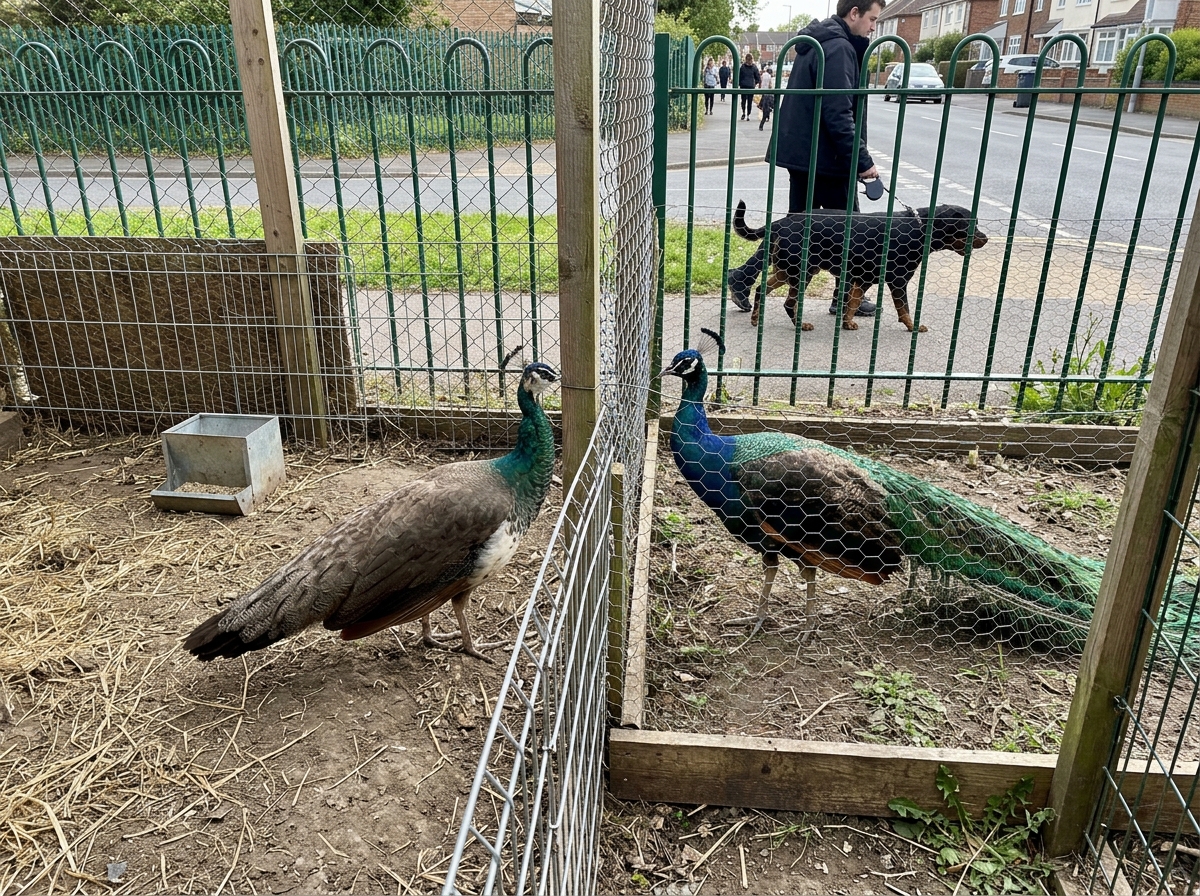
Day length is one of the most powerful triggers for egg production in birds. Peafowl, like most egg-laying birds, respond to increasing daylight hours as a cue to start their reproductive cycle. For egg laying to be stimulated and sustained, the general guideline in poultry management is around 14 to 16 hours of light per day. If your birds are in an enclosed barn or run that restricts natural light, or if they're in a region with short winter days, this alone can suppress laying entirely. Supplemental lighting can help extend the perceived day length, particularly in early spring to kick-start the season.
Diet is missing key nutrients
Egg production is nutritionally expensive. The two biggest dietary culprits when eggs disappear or never start are calcium and vitamin D3. Calcium is the primary building block of eggshells, and it needs to be provided in balance with phosphorus. Vitamin D3 is what allows the bird's body to actually absorb and use that calcium. A deficiency in either results in thin, fragile shells or no eggs at all. Make sure your peahen has access to a good-quality game bird or peafowl layer feed, and offer supplemental calcium (crushed oyster shell works well) free-choice.
Stress and poor housing
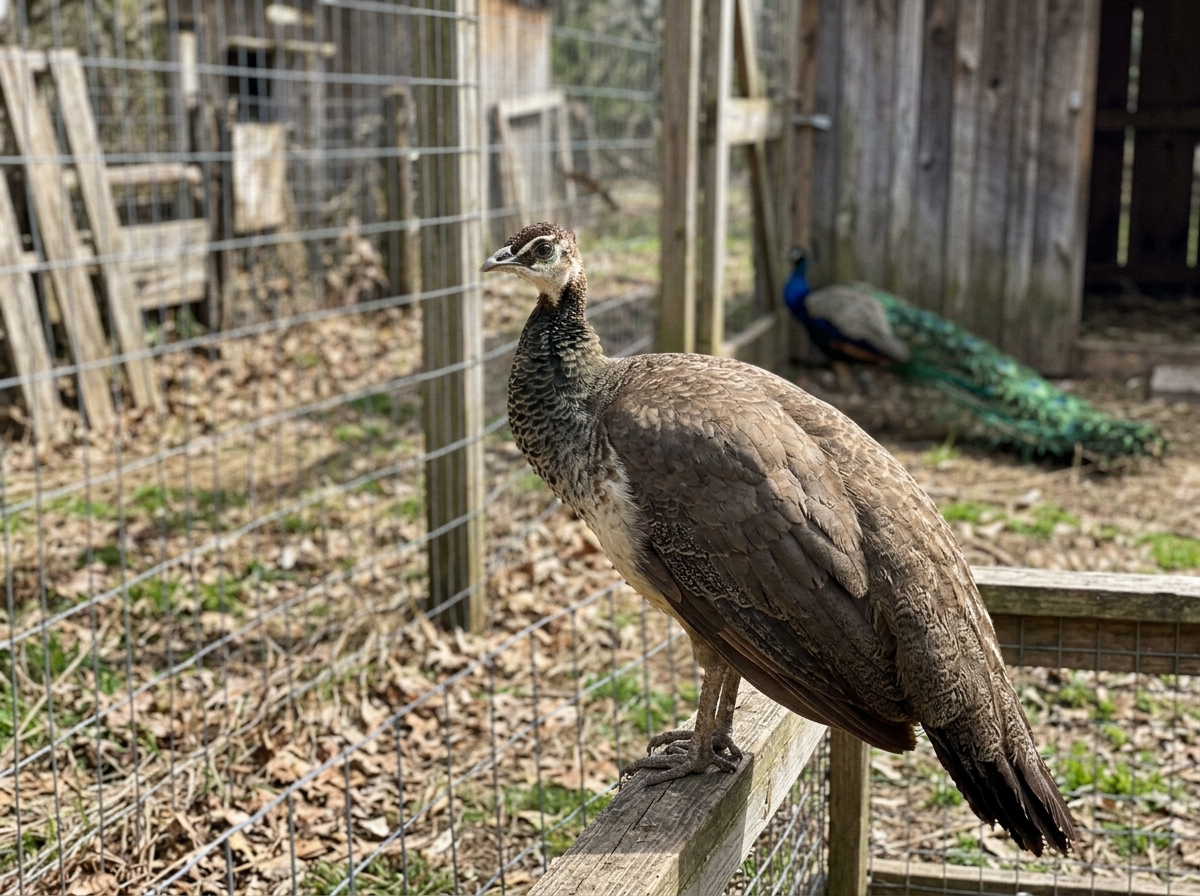
Stress is a reliable egg-production killer. Overcrowding, predator pressure (even just seeing or hearing a predator at night), frequent human intrusion, loud environments, or being moved recently can all shut down a peahen's reproductive cycle. Peafowl need space, security, and routine. If she doesn't feel safe enough to nest, she won't. Check that she has a quiet, sheltered area with appropriate nesting material where she won't be disturbed.
Signs your peahen is ready to lay
If you're unsure whether your hen is approaching laying season, there are some behavioral and physical cues to watch for. These aren't always dramatic, but they're reliable once you know what you're looking for.
- She starts spending more time in sheltered, lower areas or begins scratching out a shallow depression in the ground or bedding to form a nest.
- She becomes more defensive or protective of a particular corner or spot in her enclosure.
- Her abdomen may look slightly fuller or more rounded as follicles develop.
- She shows more interest in the peacock's displays, or at least tolerates him being nearby more than usual.
- She becomes quieter and less active during parts of the day, especially mid-morning.
- She may eat more calcium-rich foods if offered free-choice, as her body prepares for shell formation.
Once a peahen starts laying, she typically lays one egg every other day until she completes a clutch. Clutch size for Indian peafowl ranges from about 3 to 8 eggs per clutch, with some sources noting averages around 7 eggs per season under captive conditions. In good conditions, a peahen can produce up to 3 clutches in a single breeding season, so if you collect eggs early, you may encourage her to lay again.
What to do right now: housing, nutrition, light, and stress
If it's currently spring or approaching it and you have a mature peahen that isn't laying, here's a practical checklist of things to address today.
- Confirm sex and age: Look for the presence or absence of a train, neck coloring, and overall body size. If your bird is under 2 years old, she's likely pre-lay. Check any purchase or hatch records you have.
- Check your pair: Make sure you have at least one mature peacock housed with the hen. Observe whether he's displaying actively. A ratio of one male to 3–5 hens is commonly recommended for captive breeding.
- Audit the diet: Switch to a quality game bird breeder or layer pellet if you haven't already. Put out free-choice oyster shell. Make sure the feed is fresh and not stored somewhere that could degrade vitamin D3 content.
- Extend the light day: If birds are in an enclosed space, add a simple timer-controlled light to bring total light exposure up to 14–16 hours per day. Start this 4–6 weeks before your expected laying season.
- Reduce stress triggers: Walk the perimeter at dusk and dawn to check for predator access points. Minimize unnecessary disturbance. Make sure the enclosure is large enough (peafowl do much better with significant space to roam).
- Set up a nesting area: Provide a low-sided box or sheltered corner with dry straw or leaves. Place it in the quietest part of the enclosure away from feeders and high-traffic areas.
- Do a parasite check: Parasitic worms are documented to reduce egg production and cause weight loss in peafowl. Collect a fresh fecal sample and take it to a vet for a fecal float test. Deworming with an appropriate product (fenbendazole has documented safety in peafowl) may be warranted.
How to verify breeding behavior and when to call the vet
Spend time observing your birds during the morning hours when peafowl are most active. You want to see the peacock spreading and vibrating his train toward the hens. You want to see the hen not actively fleeing from him. Actual mating is brief and easy to miss, but if the male is displaying regularly and the hen is tolerating his proximity, that's a good sign the pair dynamic is working.
If you've addressed all the husbandry factors above, it's the right season, your hen is mature, and you're still seeing nothing after 4 to 6 weeks, it's time to involve a veterinarian. There are several health issues that can prevent or interrupt egg laying in peafowl.
Reproductive tract infections
Salpingitis, an infection of the oviduct (the reproductive tract), is a documented cause of reduced or absent egg production in poultry including peafowl. A hen with salpingitis may look otherwise healthy. This requires veterinary diagnosis and treatment, typically with antibiotics.
Egg binding (being "egg bound")
If a hen is straining, sitting fluffed up and lethargic, or pressing her vent to the ground repeatedly without producing an egg, she may be egg bound. This is a medical emergency. An egg stuck in the oviduct can be confirmed with physical palpation by a vet, and imaging such as radiography or ultrasound is used to determine whether a shelled or shell-less egg is present. An x-ray that shows no hard shell can indicate a soft or shell-less internal layer, which is also serious. Do not wait on this one.
Other reproductive disorders
Ovarian or oviductal masses, follicular cysts, and other reproductive abnormalities can prevent laying and are detectable via ultrasound. Cloacal prolapse, which can happen after chronic straining, is another sign that something is wrong internally. A vet experienced with avian patients can perform a full reproductive assessment, including imaging and in some cases endoscopy, to identify the problem. When in doubt, get a professional evaluation rather than guessing.
Quick reference: vet visit triggers
- Hen is straining at the vent with nothing produced after several hours
- Visible tissue protruding from the vent (possible prolapse)
- Hen is lethargic, fluffed, or not eating during breeding season
- Sudden drop in egg production from a previously laying hen
- Weight loss, diarrhea, or visible worm segments in droppings
- No eggs after 4–6 weeks of corrected husbandry during breeding season
When to expect eggs and how to plan your season
In temperate climates in the Northern Hemisphere, here's a practical seasonal timeline for peafowl egg production.
| Time of Year | What to Expect | What to Do |
|---|---|---|
| January–March | Off-season; no laying expected | Start supplemental lighting, improve diet, prep nesting areas |
| April | Laying typically begins; first eggs of the season | Check nest boxes daily; collect eggs if incubating artificially |
| May–August | Peak breeding and laying period; up to 3 clutches possible | Monitor closely; maintain nutrition and low-stress environment |
| September–October | Laying tapers off; end of season | Allow rest; reduce supplemental lighting gradually |
| November–December | Full rest period | Focus on general maintenance nutrition; no breeding pressure |
Incubation takes 28 to 30 days if you're hatching eggs artificially or allowing a hen to sit. If you pull eggs regularly, a hen may re-clutch, potentially giving you up to 3 clutches across the season. If you let her sit, she'll incubate one clutch and typically stop laying for that cycle.
The bottom line is this: if you've confirmed you have a mature peahen, it's breeding season, your husbandry is solid, and she's still not laying, something specific is getting in the way. Work through the checklist above, give it a few weeks with corrected conditions, and escalate to a vet if the problem persists or if you see any signs of distress. Peafowl are hardy birds when their needs are met, and most "no egg" problems have a straightforward fix once you know where to look.
FAQ
If I have a peahen, will she lay eggs even without a peacock present?
Peahens can still go into reproductive cycles and lay without a peacock, but you may get fewer eggs because mating can affect timing and clutch consistency. If there is truly no peacock at all, focus on season, day length, and nutrition first, then compare your hen’s behavior to normal pre-laying cues. If she never lays across a full season, treat it as a husbandry or health issue and consider a vet check.
How can I tell whether my peahen is actively nesting or just laying inconsistently?
Look for deliberate nest behavior, such as collecting nesting material, choosing a consistent spot, and spending more time in the nesting area. Even then, peafowl laying can be spaced out (often every other day once she starts). If you see nesting activity but no eggs after several weeks, review lighting and calcium balance, and check whether disturbances are preventing comfortable nesting.
What’s the biggest mistake with supplemental calcium for peafowl?
A common error is giving calcium without addressing vitamin D3 or overall diet balance. Calcium works best when the bird can absorb it, so ensure your peahen has a quality layer feed or game bird feed plus appropriate calcium supplementation. Also avoid overdoing calcium quantities, as excess without balance can cause other problems.
Do I need special nesting boxes or can peafowl lay on the ground?
Peafowl will often choose their own nesting location, but consistent laying improves when she has a secure, sheltered nesting area with appropriate nesting material. Ground laying can happen, but eggs are more likely to get trampled, dirty, or missed. Provide a protected nesting space where she can feel safe and undisturbed, especially at night.
How long should I try fixing lighting and nutrition before I assume something is wrong?
After correcting day length and diet, give it a realistic adjustment period of several weeks, because the reproductive cycle needs time to restart. If your hen is mature and it is within the normal breeding window, but she still shows no laying or no nest-related progress after about 4 to 6 weeks, escalate to an avian veterinarian for a reproductive health assessment.
Can egg laying stop suddenly after it started?
Yes. Reproductive pauses can be triggered by stress, disruptions, predator threats, abrupt weather changes, or an environment that becomes too exposed or too crowded. If laying halts mid-season, do a quick safety and routine audit first, then check whether her diet has remained stable and whether day length is still adequate.
What if my hen is thin, off-color, or losing weight but still seems “in season”?
Weight loss or poor condition often means she is not meeting the energy demands of egg production, which can shut laying down even if you have the right season and male presence. Increase focus on total diet quality and consistency, ensure adequate protein and fats from a proper layer or game-bird formula, and consider vet evaluation if appetite, droppings, or activity change along with thinness.
Are store-bought “shell calcium” products enough, or do I need a specific type?
Crushed oyster shell is a useful option for peafowl because it provides calcium in a form birds can use for eggshell development. The key is free-choice access and balance with a complete feed, not just adding a supplement sporadically. If eggs are never laid, or eggs are abnormal when they appear, revisit the vitamin D3 and overall diet first rather than only switching calcium products.
If my birds are outside but the weather is cool and rainy, will that delay laying?
Yes. Cold temperatures and prolonged bad weather can reduce activity and nesting comfort, and it can effectively extend the “off-season” for your birds. In temperate regions, keep an eye on whether your local conditions are delaying the onset of breeding, and make sure shelter and lighting (when appropriate) support normal laying behavior.
Is it normal to have very small clutch sizes at the start of laying?
Often, yes. Young or early-season hens may lay fewer eggs and produce fewer clutches than established birds. The practical approach is to confirm maturity, confirm breeding-season timing, and ensure husbandry is solid, then track whether clutch size increases as she becomes established in the season.
What should I watch for that suggests I should call a vet immediately?
Seek urgent veterinary help if you see straining without producing an egg, repeated pressing of the vent to the ground, marked lethargy, fluffed-and-sitting posture, or any sign of distress. These can indicate egg binding or internal reproductive problems, conditions where waiting to see if it resolves on its own can be dangerous.
Next Article
Peacock Is a Bird, Not a Mammal: Proof and Checks
Peacock is a bird, not a mammal, with trait checks: feathers, beak, wings, egg-laying and bird warm-bloodedness.