Yes, penguins are birds. Full stop. They are classified in Class Aves, the same biological class that includes robins, eagles, and sparrows. Every major scientific authority agrees: Britannica describes penguins as 'flightless marine birds,' PBS calls them 'flightless seabirds,' and the U.S. Fish & Wildlife Service lists them under Order Sphenisciformes within Class Aves. Whether you're asking 'is a penguin a bird,' 'are penguins a type of bird,' or even 'is penguin bird or not,' the answer is the same every time.
Are Penguins Birds? Quick Yes, Traits, and Water Bird Info

Sarah Chen
22 Mar 2026
Why penguins definitely qualify as birds
The confusion around penguins usually comes from the fact that they can't fly and they spend a huge amount of time in the water. But flight has nothing to do with being a bird. The Cornell Lab of Ornithology is direct about this: the three defining traits of birds are feathers, being warm-blooded (endothermic), and laying eggs. Penguins check all three boxes without exception.
Feathers
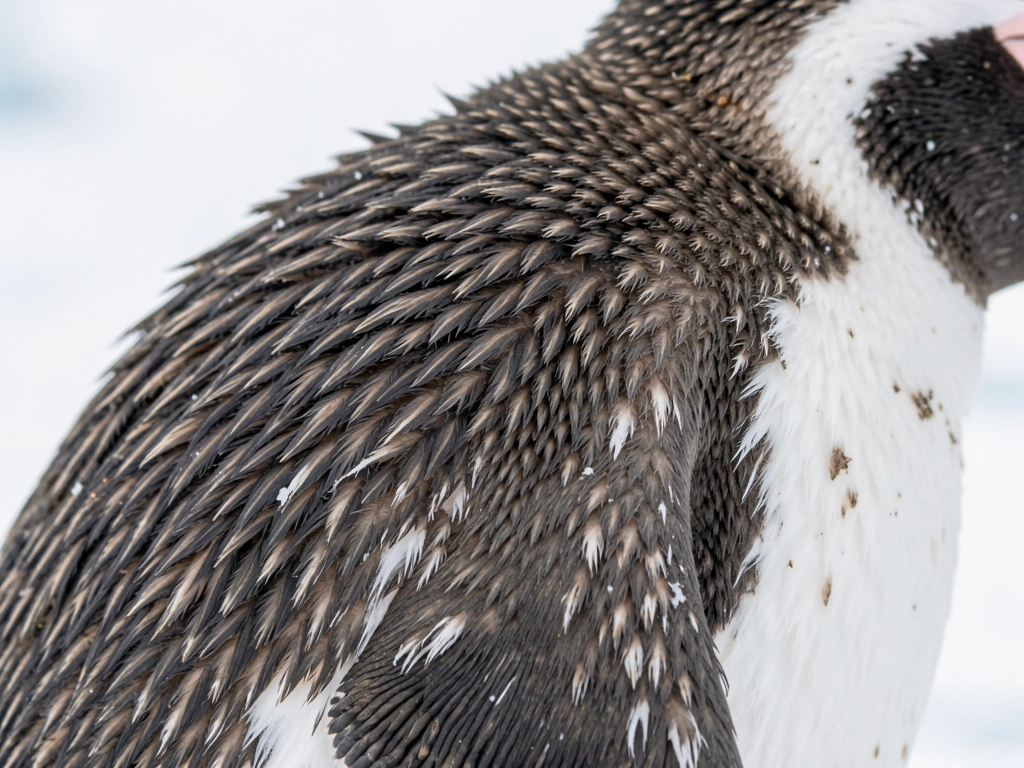
Penguins have feathers, and lots of them. Adult penguins molt all of their feathers once a year, typically after the breeding season. National Geographic describes this as a 'catastrophic molt,' where penguins shed and regrow all their feathers in a short, intense period. No mammal, fish, or reptile does anything like this. Feathers are a bird-exclusive trait, and penguins have them.
Beaks and anatomy
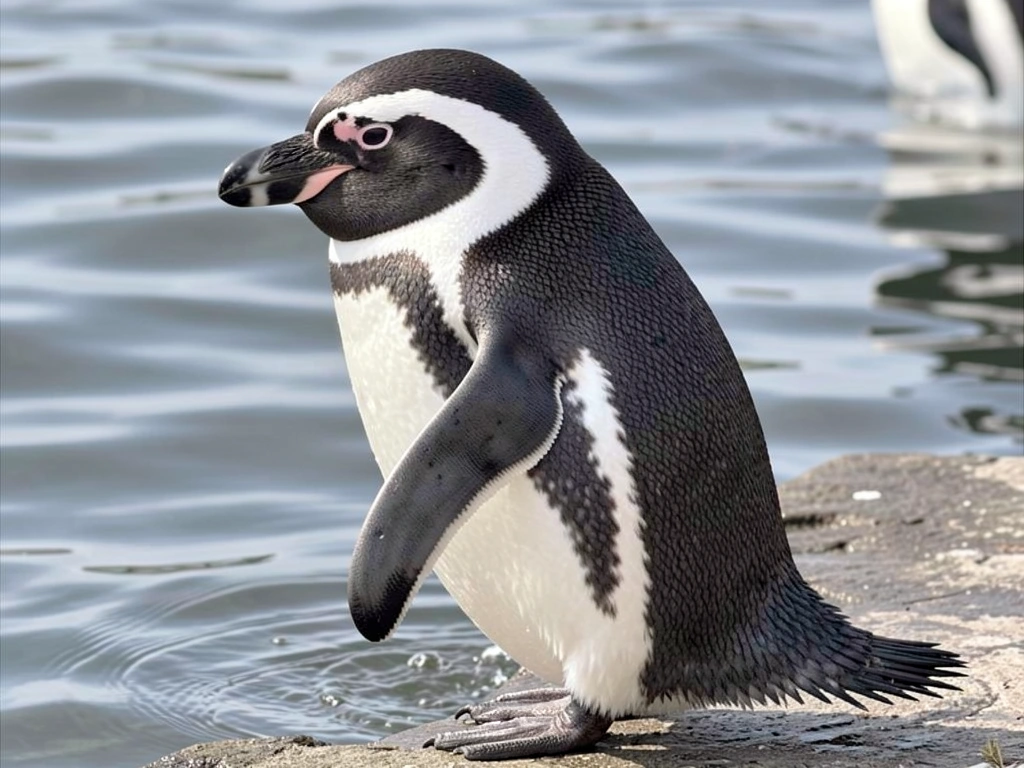
Penguins have beaks, just like every other bird. Their skeleton and internal anatomy are squarely within the bird blueprint. Their wings evolved into flippers for swimming rather than flying, but they are still structurally wings, the same basic limb structure found in all birds. The family name Spheniscidae and the order Sphenisciformes place them taxonomically inside Class Aves, the formal scientific grouping for all birds.
Egg-laying
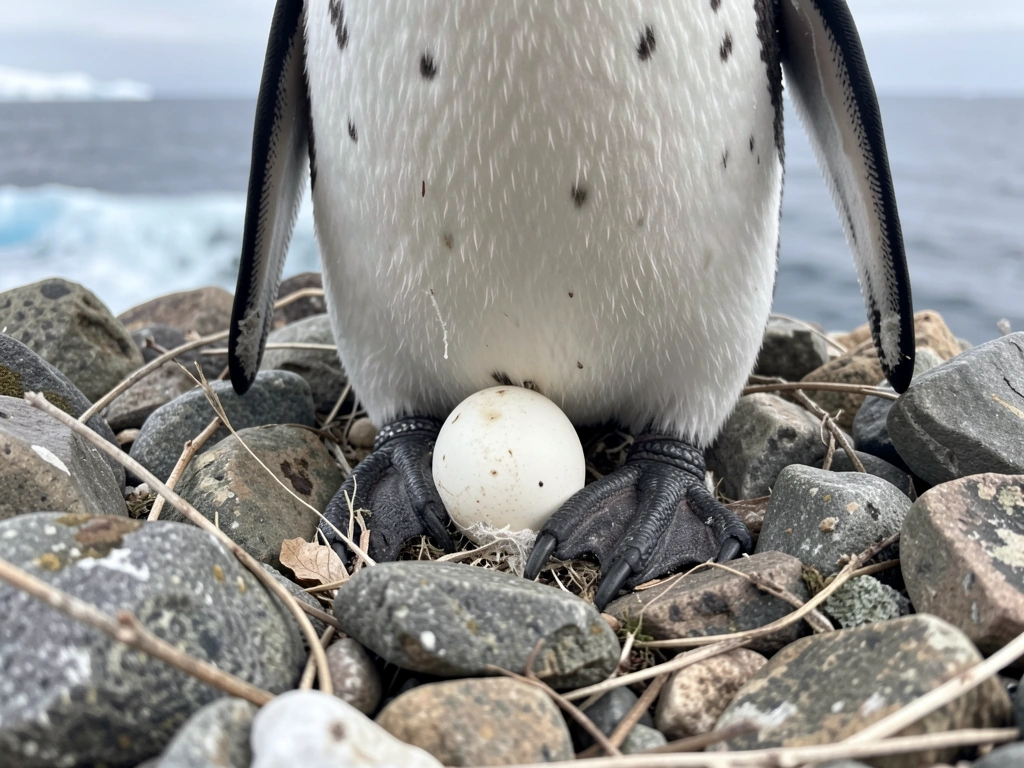
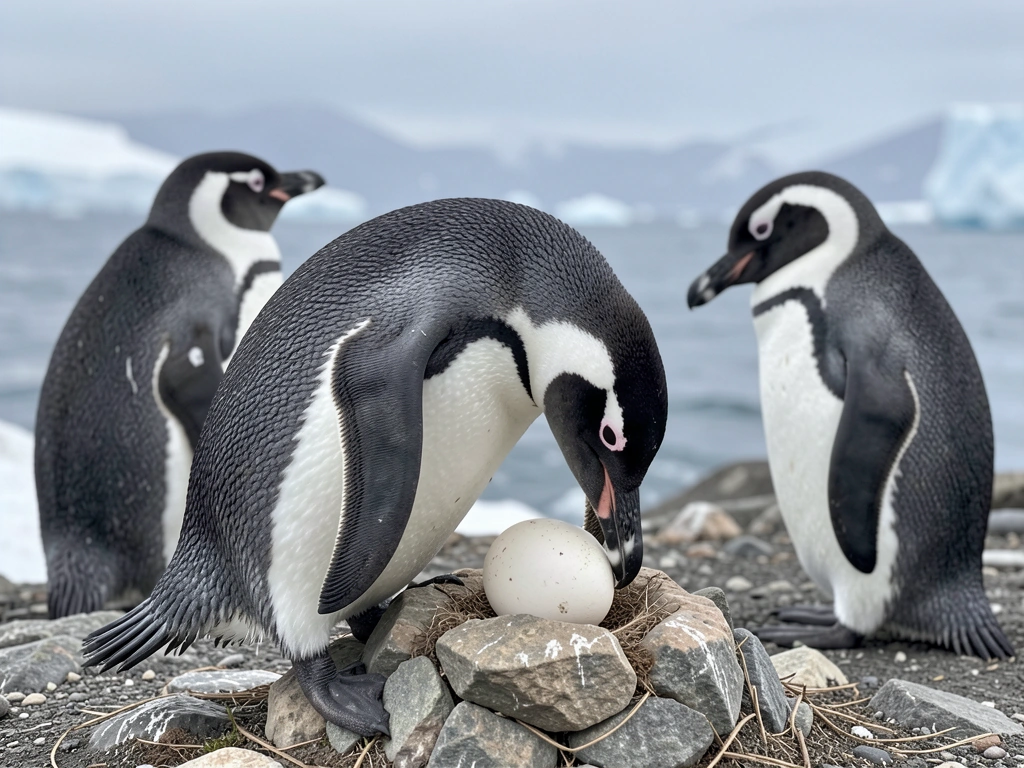
Cornell Lab states clearly that all bird species lay eggs. Penguins lay eggs, incubate them, and raise chicks. Britannica documents egg and chick survival rates in penguin colonies, treating their reproduction as straightforwardly avian. This is one of the easiest penguin-as-bird facts to verify: if you've ever seen a nature documentary showing a penguin sitting on an egg in Antarctica, you've seen a bird doing what birds do.
The biggest myth: 'penguins aren't birds because they can't fly'
This is the most common source of confusion, and it's worth addressing head-on. The idea that 'real birds fly' is intuitive but biologically wrong. Cornell Lab explicitly corrects this, stating that not all birds fly and naming penguins as the go-to example of birds that swim instead. Flight is a behavior, not a defining trait of the class Aves. Ostriches, emus, kiwis, and cassowaries are all flightless birds too, and nobody seriously argues they aren't birds.
The reason this myth sticks is that most birds people encounter every day do fly. But the biological definition of 'bird' is anchored in anatomy and physiology, not behavior. Penguins are warm-blooded, feathered, egg-laying vertebrates classified in Class Aves. That is the scientific definition of a bird, and penguins satisfy it completely.
Another variant of this confusion is the question of whether penguins might be mammals instead, since they live in cold climates and nurse their young. They do not nurse young with milk (that's a mammal-exclusive trait), they don't have fur, and they're not warm-blooded in the mammalian sense of having mammary glands or live birth. If you're curious about the full bird-versus-mammal breakdown, that's a topic worth exploring on its own.
Are penguins 'water birds'? What that term actually means
Penguins are birds that live in and around water, so calling them 'water birds' in everyday conversation is reasonable. Scientifically, though, they are classified as seabirds, which is a category separate from 'waterfowl.' This distinction matters if you're trying to be precise.
Waterfowl refers specifically to ducks, geese, and swans, the birds in Order Anseriformes. Britannica and the European Environment Agency both define waterfowl this way, and penguins are not part of that group. Penguins are seabirds, meaning birds that depend on the ocean for their food and habitat. Smithsonian's Ocean program frames penguins squarely as seabirds, and the Smithsonian, National Geographic, and PBS all use that label consistently.
NOAA Fisheries does note that 'seabird' doesn't have one single rigid scientific definition, and that different researchers use the term with slight variations. But no credible source puts penguins outside the bird category because of their aquatic lifestyle. Being associated with water doesn't make an animal less of a bird. It just makes it a water-adapted bird.
| Term | What it includes | Does it include penguins? |
|---|---|---|
| Bird (Class Aves) | All feathered, egg-laying, warm-blooded vertebrates | Yes |
| Seabird | Birds that depend on the ocean for food and habitat | Yes |
| Waterfowl | Ducks, geese, and swans (Order Anseriformes) | No |
| Flightless bird | Birds that cannot fly, e.g., penguins, ostriches, emus | Yes |
| Mammal (Class Mammalia) | Warm-blooded vertebrates with fur and mammary glands | No |
How to verify this for any animal, not just penguins
The next time you're unsure whether an animal is a bird, skip the 'can it fly?' test and run through the three-trait checklist from Cornell Lab instead. It works for penguins, and it works for any other animal that confuses people.
- Does it have feathers? Only birds have feathers. Bats have wings but no feathers. Reptiles have scales. If it has feathers, it's a bird.
- Is it warm-blooded and endothermic? Birds regulate their own body temperature internally. Fish and reptiles don't.
- Does it lay eggs? All bird species lay eggs. Penguins, ostriches, hummingbirds, every one of them.
- What does its taxonomy say? Look up the animal's class. If it's Class Aves, it's a bird, regardless of whether it flies, swims, or runs.
Applying this to penguins: feathers (yes, they molt them annually), warm-blooded (yes), egg-laying (yes), Class Aves (yes, Order Sphenisciformes). Four for four. Penguin is a bird. If you want to go deeper on exactly why penguins fit the bird category from an evolutionary and anatomical standpoint, that reasoning holds up under scrutiny in the same way it does for any flightless species.
The practical takeaway is this: if someone tells you penguins aren't birds because they can't fly or because they swim, you now have three concrete, testable traits to point to. Feathers, eggs, and warm-blooded physiology are the biological markers that define Class Aves, and penguins have all of them. That's not a matter of opinion or debate. It's taxonomy.
FAQ
If penguins cannot fly, what is the simplest way to confirm they are birds?
Use the three-trait checklist: feathers, warm-blooded (endothermic), and egg-laying. Penguins match all three, so you do not need flight as a test.
Do penguins lay eggs the same way as other birds, or is it different because they live in water?
They still reproduce like typical birds: females lay eggs, parents incubate them, and chicks are raised until they can feed and survive on their own. Their aquatic lifestyle affects nesting choices, not the basic egg-and-incubation process.
Are penguins ever considered reptiles or mammals because they live in cold climates and seem “fur-free”?
No. Cold water survival and caring for young do not make an animal a mammal or reptile. Penguins lack mammary glands and milk, and they do not have mammal fur or reptile-specific reproduction traits like those found in reptiles.
What about “seabird” versus “waterfowl,” are they the same category?
No. Waterfowl usually means ducks, geese, and swans in a specific group (Order Anseriformes). Penguins are seabirds, meaning they rely heavily on marine environments for feeding and habitat.
Is “seabird” a strict scientific classification with one exact definition?
It is used in slightly different ways by researchers, but the practical meaning remains consistent: seabirds are ocean-dependent birds. NOAA notes that the label is not perfectly rigid, yet penguins are still widely treated as seabirds.
Do penguins have feathers even though they look like they have smooth skin or flippers?
Yes. Penguins have feathers, they molt annually, and the feather coverage supports insulation and waterproofing. Their flippers are modified wings built from the same core wing structure birds have.
Do penguins have warm-blooded physiology like other birds?
Yes. They regulate internal body temperature like other birds (endothermy). Their behavior, like huddling, is a supportive strategy, not evidence that they are cold-blooded.
Can someone still be a bird if they never fly at all?
Yes. Flight ability varies widely across bird species, and flight is not what defines being a bird. Several birds, including ostriches and emus, are also flightless yet are fully classified as birds.
Are penguins the only flightless birds, or are there others like them?
Many birds are flightless. In addition to penguins, ostriches, emus, kiwis, and cassowaries are recognized flightless birds, and they are still Class Aves.
What should I say if someone argues penguins are not birds because “they swim”?
Respond that swimming is a behavior and lifestyle trait, not the defining biology of birds. Penguins are classified as birds because they have feathers, are endothermic, and lay eggs, with wings adapted into flippers for swimming.
Next Article
Is a Peacock a Bird of Paradise? Key Differences
Peacock is not a bird of paradise. Learn key differences in family, looks, courtship, and where each lives.